
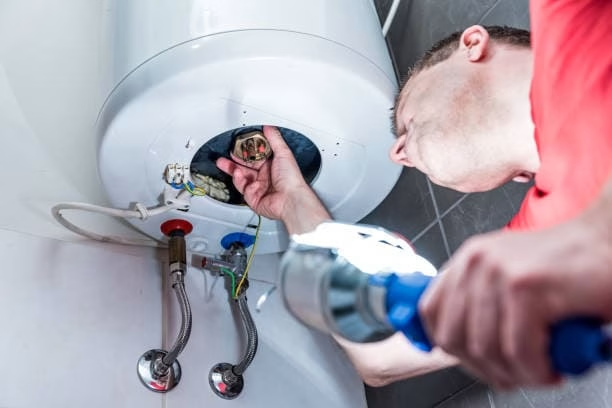
Should You Repair or Replace Your Water Heater?
You should consider replacing your water heater if it’s over 10-12 years old, requires frequent repairs, or is leaking. However, if your water heater is relatively new and has a simple problem like a faulty heating element or thermostat, repair is often the better option. The decision to repair or replace your water heater depends on several factors, including the unit’s age, the cost of repairs, and its overall efficiency.
Schedule a Water Heater Consultation in Plant City
Short Answer: Should You Repair or Replace Your Water Heater?
The decision to repair or replace your water heater comes down to a few key factors:
| Factor | Repair | Replace |
|---|---|---|
| Age | Under 10 years old | Over 10-12 years old |
| Repair cost | Less than 50% of replacement cost | More than 50% of replacement cost |
| Frequency of repairs | First or second repair | Multiple repairs in recent years |
| Energy efficiency | Newer, efficient model | Outdated, inefficient model |
| Leaks | Minor leak, repairable | Significant leak, tank failure |
| Sediment buildup | Manageable with flushing | Severe buildup, reduced capacity |
In general, if your water heater is over 10 years old and needs a major repair, replacement is usually the better investment. If it’s newer and the repair is simple, repair is the way to go. Our [Water Heater Repair] team can help you make the right decision.
What This Means for Customers
Understanding whether to repair or replace your water heater is about more than just fixing a problem—it’s about making a smart financial decision for your home.
Why This Decision Matters
- Cost savings – A new, efficient water heater can save you money on energy bills
- Reliability – A newer unit is less likely to break down unexpectedly
- Peace of mind – Knowing your water heater won’t fail when you need it most
- Property value – A new water heater can be a selling point for your home
- Environmental impact – Efficient models use less energy and reduce your carbon footprint
The Cost of Making the Wrong Decision
- Repairing an old unit – You may spend money on a repair only to need replacement soon after
- Replacing too early – You may miss out on years of service from a repairable unit
- Ignoring problems – A failing water heater can cause water damage and higher energy bills
When to Repair Your Water Heater
Repair is usually the better option when:
1. Your Water Heater Is Under 10 Years Old
Most water heaters have a lifespan of 10-12 years. If your unit is under 10 years old, it’s likely worth repairing.
2. The Repair Is Simple and Inexpensive
Simple repairs like replacing a heating element, thermostat, or pressure relief valve are usually cost-effective. If the repair costs less than 50% of a replacement, repair is often the better choice.
3. You’ve Had Few Repairs in the Past
If this is the first or second repair your water heater has needed, it’s likely worth fixing. Frequent repairs are a sign that the unit is nearing the end of its life.
4. Your Water Heater Is Still Under Warranty
If your water heater is still covered by a manufacturer’s warranty, repair is usually the best option. Check your warranty to see what’s covered.
5. The Problem Is Minor
Issues like a faulty thermostat, a broken dip tube, or a failed heating element are typically repairable and don’t require full replacement.
When to Replace Your Water Heater
Replacement is usually the better option when:
1. Your Water Heater Is Over 10-12 Years Old
The average lifespan of a water heater is 10-12 years. If your unit is approaching or exceeding this age, replacement is often more cost-effective than repair.
2. The Repair Cost Is High
If a repair costs more than 50% of the cost of a new unit, replacement is usually the better investment. You’ll get a new unit with a warranty and improved efficiency.
3. You’ve Had Frequent Repairs
If you’ve had multiple repairs in the last few years, your water heater is likely reaching the end of its life. Replace it before you spend more on repairs.
4. Your Water Heater Is Leaking
A leaking tank is a sign of serious corrosion. While minor leaks can sometimes be repaired, significant leaks usually mean the tank is failing and needs replacement.
5. Your Water Heater Is Rusty or Has Sediment Buildup
Rust-colored water or excessive sediment buildup indicates internal corrosion. This reduces efficiency and can lead to failure.
6. You Want to Improve Energy Efficiency
Newer water heaters are much more energy-efficient than older models. If you want to save money on energy bills, upgrading to a new unit can be a smart investment.
7. Your Hot Water Needs Have Changed
If your household’s hot water needs have increased, you may need a larger or more efficient water heater.
How to Decide: Repair or Replace?
Step 1: Check the Age
Find the serial number on your water heater and check the manufacturer’s date code. If it’s over 10 years old, lean toward replacement.
Step 2: Estimate Repair Costs
Get a professional estimate for the repair. If the cost is more than 50% of a new unit, replacement is likely better.
Step 3: Consider the Repairs Needed
If you’ve had multiple repairs in the last few years, it’s probably time for replacement. If it’s the first repair, repair is likely fine.
Step 4: Check for Leaks or Rust
If you see visible signs of damage like leaks or rust, replacement is usually the better option.
Step 5: Consider Energy Efficiency
A new, efficient water heater can save you money on energy bills. If your current unit is outdated, the savings may justify replacement.
When to Contact a Professional
You should call a professional plumber to help you decide if you should repair or replace your water heater. A professional can:
- Diagnose the problem accurately
- Provide a repair estimate
- Recommend whether repair or replacement is the better option
- Help you choose the right new water heater if replacement is needed
- Install your new water heater correctly
Professional plumbers have the experience to help you make the right decision. Our [Water Heater Repair] team can assess your situation and provide honest recommendations.
How Water Leak & Drain Busters Can Help
At [Water Leak & Drain Busters], we specialize in water heater repair and replacement. Our experienced plumbers can help you decide whether to repair or replace your water heater and provide expert service either way.
Our water heater services include:
- [Water Heater Repair] – Fix all types of water heater issues
- [Leak Detection] – Find hidden leaks causing problems
- [Plumbing Services] – Comprehensive plumbing solutions for homes and businesses
- [Emergency Plumber] – Fast response for urgent water heater issues
- [Plumbing Fixture Installation] – Replace faulty fixtures that affect water heater performance
- [Commercial Plumber] – Specialized services for commercial properties
We serve homeowners and businesses throughout Polk and Hillsborough counties, including Plant City, Lakeland, Winter Haven, and surrounding communities.
Frequently Asked Questions About Water Heater Repair vs. Replacement
Should I repair or replace my water heater?
The decision depends on the age of your unit, the cost of repairs, and how often it’s needed repairs. If your water heater is over 10 years old and needs a major repair, replacement is usually better. If it’s newer and the repair is simple, repair is often the way to go.
How much does a new water heater cost?
Costs vary depending on the type and size of the unit. Contact us for a personalized quote. Our [Plumbing Services] team can help you choose the right unit for your needs.
How long does a water heater last?
Most water heaters last 10-12 years with proper maintenance. If your unit is approaching this age and having problems, replacement may be more cost-effective.
Is it worth repairing a 15-year-old water heater?
Generally, no. A 15-year-old water heater is well past its expected lifespan. Repairing it may be a temporary fix, and you’ll likely need to replace it soon anyway.
Can I replace my water heater myself?
Water heater installation involves plumbing and electrical work, and it’s best left to professionals. Improper installation can cause leaks, water damage, or even fire hazards.
How do I know if my water heater is leaking?
Look for water pooling around the base of the unit, damp spots on the floor, or signs of rust on the tank. If you suspect a leak, contact us immediately for [Leak Detection].
What are the signs of a failing water heater?
Signs include rust-colored water, strange noises, insufficient hot water, leaks, and an aging unit. If you notice any of these signs, contact a professional for an assessment.
Does a new water heater save money on energy bills?
Yes. Newer water heaters are much more energy-efficient than older models. The savings on your energy bills can offset the cost of replacement over time.
Schedule Your Water Heater Consultation Today
Don’t wait until your water heater fails to decide. Contact Water Leak & Drain Busters for a professional assessment of your water heater and help deciding whether to repair or replace.