Backflow Testing in Polk & Hillsborough Counties

Residential & Commercial Plumbing Professioinals
Free Estimates • 24/7 Service Available
Call Today
863-334-3242
Reliable Backflow Testing
Protect your property’s drinking water system with professional backflow testing from Water Leak & Drain Busters. We provide backflow testing services for residential and commercial properties throughout Polk and Hillsborough Counties in Central Florida. If your property has a backflow prevention assembly or you have received a testing notice from your water provider, our team can help determine what needs to be tested and what steps are required after the inspection.
Backflow testing verifies that a prevention device is working as designed and helping keep contaminated water from flowing into the potable water supply. We test the assembly, document the results, and can help with repairs or replacement when a device does not pass.
Call 863-334-3242 or contact us to schedule your backflow testing service.
Our Backflow Testing Process
What Is Backflow Testing?
Backflow testing is an inspection of a backflow prevention assembly to determine whether it is properly protecting the drinking water system.
A plumbing system normally moves water from the public supply toward the property. Under certain pressure conditions, however, water can move in the opposite direction. This is known as backflow. If a private plumbing system contains chemicals, fertilizers, stagnant water, microorganisms or other contaminants, reverse flow could introduce those substances into the potable water supply.
A backflow preventer is designed to stop that reverse flow. Testing checks the performance of the internal components and confirms whether the assembly is operating within the required parameters.
A proper test can identify problems that may not be visible from the outside, including worn check valves, damaged seals, fouling, pressure-related problems or other component failures.
Who Needs Backflow Testing?
Backflow testing requirements depend on the property, the type of water connection, the backflow assembly installed and the requirements of the water provider or local authority.
Backflow testing may be required for properties with systems such as:
- Landscape irrigation
- Fire protection systems
- Commercial kitchens
- Medical or dental equipment
- Industrial plumbing
- Reclaimed or recycled water connections
- Wells or other auxiliary water supplies
- Other plumbing arrangements that create a cross-connection
Commercial property owners and managers should pay particular attention to testing notices and due dates because multiple assemblies may be located throughout a facility.
Residential properties can also have backflow prevention requirements, particularly when irrigation or other equipment creates a potential connection between potable water and another water source.
If you are unsure whether your assembly needs to be tested, check the notice from your water provider or contact our team so we can help you understand what information is needed before scheduling.
Do You Need Backflow Testing?
Residential Backflow Testing
Homeowners may encounter backflow prevention assemblies around irrigation systems, water features or other equipment connected to the property’s potable water supply.
A testing appointment can help determine whether the assembly is functioning correctly and whether it requires maintenance or repair.
Before scheduling residential backflow testing, it is helpful to have:
- The property address
- The name of your water provider
- Any testing notice you received
- The testing due date
- The location of the backflow assembly
- A photo or information from the device identification plate, if available
You should also make sure the tester can safely access the assembly. Outdoor devices may be located inside a valve box, while other assemblies can be found near a water meter or inside a mechanical area.
Commercial Backflow Testing
Commercial buildings can have more complicated plumbing systems and may contain several backflow prevention assemblies.
Businesses that may require backflow protection include restaurants, offices, retail properties, medical facilities, apartment properties, industrial buildings and other commercial sites.
For commercial backflow testing, we can work with property owners, facility managers and property management teams to coordinate access and testing.
Testing may be especially important when a property has multiple devices, irrigation systems, fire protection equipment or other plumbing connections that require documented inspection.
Keeping organized records of each assembly, its test results and its next due date can also make future compliance easier to manage.
What Happens During a Backflow Test?
The exact procedure depends on the type of assembly being tested, but the process generally involves several important steps.
1. Identify the Backflow Assembly
The tester first locates and identifies the backflow prevention device. The assembly type, location and other available information help determine the appropriate testing procedure.
2. Inspect the Device
The assembly is visually checked for obvious damage, leaks, accessibility issues and other conditions that could affect the test.
3. Test the Assembly
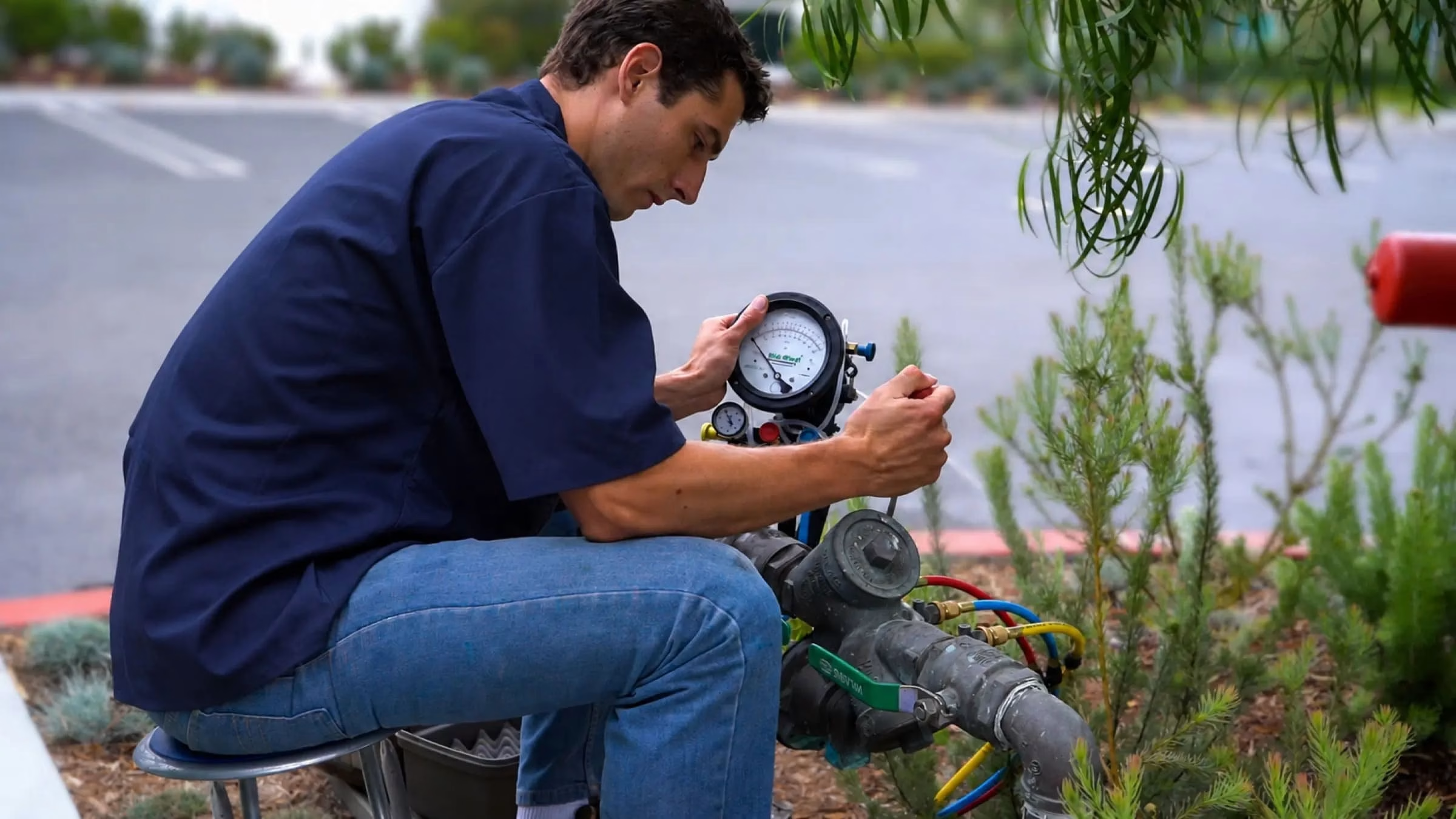
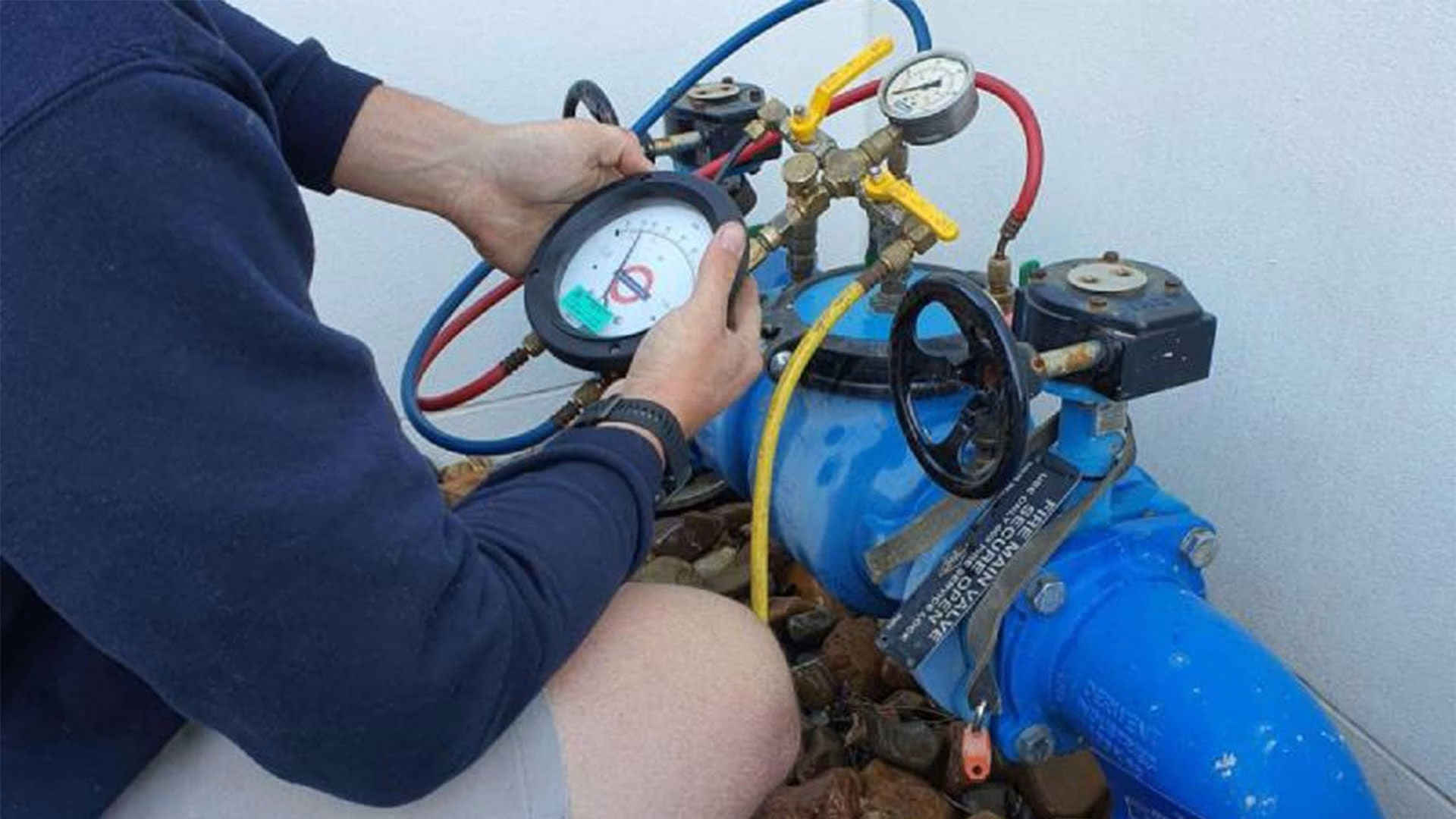
Appropriate testing equipment is connected to the device to evaluate its performance. The tester checks the required pressure relationships and operating components for the specific type of backflow preventer.
4. Record the Results
The test results are documented so the property owner and applicable water authority have a record of the assembly’s condition.
5. Address Any Failure
If the device does not meet the required testing standards, the problem is explained and repair or replacement options can be discussed.
6. Retest After Repair
When repair work is performed, the assembly should be tested again to verify that it is operating properly and to document the final result.
Why Water Leak & Drain Busters Is the Right Choice for Backflow Testing
Types of Backflow Preventers We Can Test
Different plumbing systems require different forms of backflow protection. Common assemblies include:
Reduced Pressure Zone Assemblies
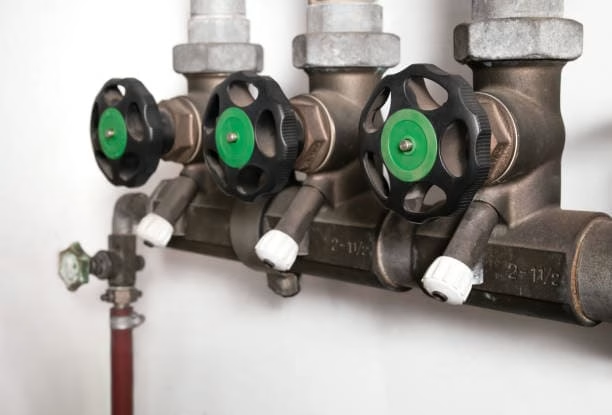
Reduced pressure zone, or RP, assemblies provide a high level of backflow protection and are commonly associated with higher-hazard applications.
Double Check Valve Assemblies
Double check assemblies use check valves to prevent reverse flow and may be used in applications with lower levels of potential contamination.
Pressure Vacuum Breakers
Pressure vacuum breakers are commonly associated with irrigation and other applications where protection against backsiphonage is required.
Atmospheric Vacuum Breakers
Atmospheric vacuum breakers are another type of protection used in specific plumbing and irrigation applications.
The correct assembly depends on the potential hazard and the requirements that apply to the property’s water connection. A professional tester can identify the installed device and perform the appropriate test.
What If Your Backflow Preventer Fails?
A failed backflow test does not necessarily mean the entire assembly must be replaced.
Some devices can be repaired by replacing worn or damaged internal components. Depending on the age, condition, design and availability of replacement parts, repair may be an appropriate option.
Replacement may be necessary when an assembly is severely damaged, cannot be economically repaired, no longer meets applicable requirements, or has another condition that makes replacement more practical.
If your backflow preventer fails, the next steps may include:
- Reviewing the failed test results
- Identifying the component or condition causing the failure
- Repairing the assembly when appropriate
- Replacing the device when necessary
- Retesting after repair or replacement
- Completing the applicable documentation
The goal is to restore proper backflow protection and help the property owner address the applicable testing requirement.
How Often Should Backflow Testing Be Done?
Testing frequency is determined by the applicable water provider and local cross-connection control requirements.
Annual testing is required for many backflow assemblies. For example, Hillsborough County states that property owners with a backflow assembly must have it tested annually and that testing must be performed by a registered Hillsborough County certified tester.
Polk County’s cross-connection control policy also establishes requirements concerning certified testers and test equipment.
Because requirements can vary by utility and property, do not assume that the same testing schedule applies to every location. If you received a notice, use the due date and instructions provided by your water authority.
Backflow Testing in Polk County
Water Leak & Drain Busters serves customers in Polk County and surrounding Central Florida communities.
Polk County maintains a cross-connection control program designed to protect the potable water system from contamination caused by cross-connections and backflow. The county’s published policy identifies approved backflow assembly types and establishes requirements for certified testers and testing equipment.
If your property is located in Polk County and you have received a backflow testing notice, provide the notice and assembly information when scheduling. This can help make sure the appropriate testing and documentation process is followed.
We provide backflow-related plumbing support for homeowners, businesses and property managers throughout our service area.
Backflow Testing in Hillsborough County
Hillsborough County has specific requirements for properties with backflow assemblies.
According to Hillsborough County’s current guidance, property owners with a backflow assembly must have it tested annually, and testing must be performed by a registered Hillsborough County certified tester. The county also requires applicable test results to be submitted through its current backflow reporting process.
If you are located in Hillsborough County, keep your testing notice and assembly information available when contacting a tester. Requirements for repairs, replacement, reporting and permits can depend on the type of work being performed and the specific water connection.
Why Timely Backflow Testing Matters
Backflow prevention is about more than completing a maintenance checklist.
A properly functioning assembly helps protect the potable water system from unwanted reverse flow. Regular testing can also identify a device that has developed an internal problem even though there may be no obvious external sign of failure.
For property owners, staying ahead of testing deadlines can also make it easier to manage:
- Compliance documentation
- Water provider requirements
- Repairs and retesting
- Property management records
- Multiple backflow assemblies
- Annual testing deadlines
If your property has several devices, keeping each assembly’s location, test history and due date organized can make future inspections much simpler.
What You Should Have Ready Before Scheduling
You can make the appointment process easier by providing as much information as possible.
Have these details available:
Property address: Where the backflow assembly is located.
Water provider: The utility or authority responsible for the property’s water service.
Testing notice: Include the notice if you received one.
Due date: Tell us when the test must be completed.
Assembly information: A photo, manufacturer name, model or serial number can be useful if available.
Access information: Let us know about gates, locked areas, valve boxes or other access requirements.
For commercial properties, it can also help to provide the number of known backflow assemblies and the best contact for coordinating access.
Schedule Backflow Testing With Water Leak & Drain Busters
Don’t wait until a testing deadline is approaching to find out that your backflow assembly needs attention.
Water Leak & Drain Busters provides backflow testing for residential and commercial properties in Polk and Hillsborough Counties. Our service can help you identify the condition of your backflow prevention assembly, document the test results and determine the next step if the device does not pass.
If you received a backflow testing notice, have an upcoming testing deadline or simply need help determining what your property requires, contact our team.
Call 863-334-3242 today or request a free estimate.
Frequently Asked Questions About Backflow Testing
What is a backflow test?
A backflow test checks whether a backflow prevention assembly is operating correctly and providing the required protection against reverse water flow. The tester uses appropriate testing equipment to evaluate the assembly and records the results.
Does every property need backflow testing?
No. Requirements depend on the property’s plumbing configuration, backflow assembly, water connection and local water provider. Properties with irrigation, fire protection, auxiliary water supplies and other cross-connections may have testing requirements.
How often is backflow testing required?
Many programs require annual testing, but the exact schedule depends on the applicable water provider and local requirements. Hillsborough County, for example, requires annual testing for properties with backflow assemblies.
What happens if my backflow preventer fails?
The failed assembly should be evaluated to determine whether repair or replacement is appropriate. After the necessary work, the assembly can be retested to document its condition.
Can a backflow preventer be repaired instead of replaced?
Sometimes. The decision depends on the assembly’s condition, the failed component, available parts, age and applicable requirements. Some devices can be rebuilt with replacement internal components.
How long does backflow testing take?
Testing time depends on the type and number of assemblies. A single straightforward device may be tested relatively quickly, while properties with multiple assemblies or difficult access can require more time.
Do residential irrigation systems need backflow testing?
Some residential irrigation systems require backflow protection and periodic testing. The exact requirement depends on the water provider, irrigation setup and applicable local regulations.
Do commercial properties need backflow testing?
Many commercial properties have backflow prevention requirements. Restaurants, medical facilities, businesses with irrigation, fire protection systems and properties with other cross-connections may have assemblies that require testing.
What information should I provide when booking?
Provide the property address, water provider, testing notice, due date, assembly information and access instructions when available. For commercial properties, include the number and locations of known assemblies if possible.
Do you test backflow prevention devices after repair?
A repaired or replaced assembly should be tested again to verify that it meets the applicable testing requirements and to document the new result.
Why is backflow prevention important?
Backflow can allow water from a private plumbing system to move into a potable water supply. Backflow prevention assemblies are designed to help stop that reverse flow and protect drinking water from potential contamination.
Where do I schedule backflow testing in Central Florida?
Water Leak & Drain Busters provides backflow testing services for customers in Polk and Hillsborough Counties. Call 863-334-3242 to discuss your property, testing notice and service needs.